Canadian cheeses: US importer takes legal action against Trump's 50% tariffs imposed via a 1930 customs law
On 20 October 2026, food importer Gellert Global Group filed a case with the US Court of International Trade seeking to have the 50% tariffs imposed on certain Canadian products, including cheeses, annulled. The complaint, brought by the same firm that brought down the IEEPA tariffs before the Supreme Court in February, could undermine one of the US administration's last tariff weapons against Canada.

A complaint filed on 20 October against the 50% tariffs on Canada
On Tuesday 20 October 2026, the family-owned firm Gellert Global Group, a food importer based in New Jersey, filed a complaint with the U.S. Court of International Trade (the specialist US tribunal that rules on customs disputes). Its aim: to have the additional 50% customs duties applied since this summer on a wide range of Canadian products annulled.
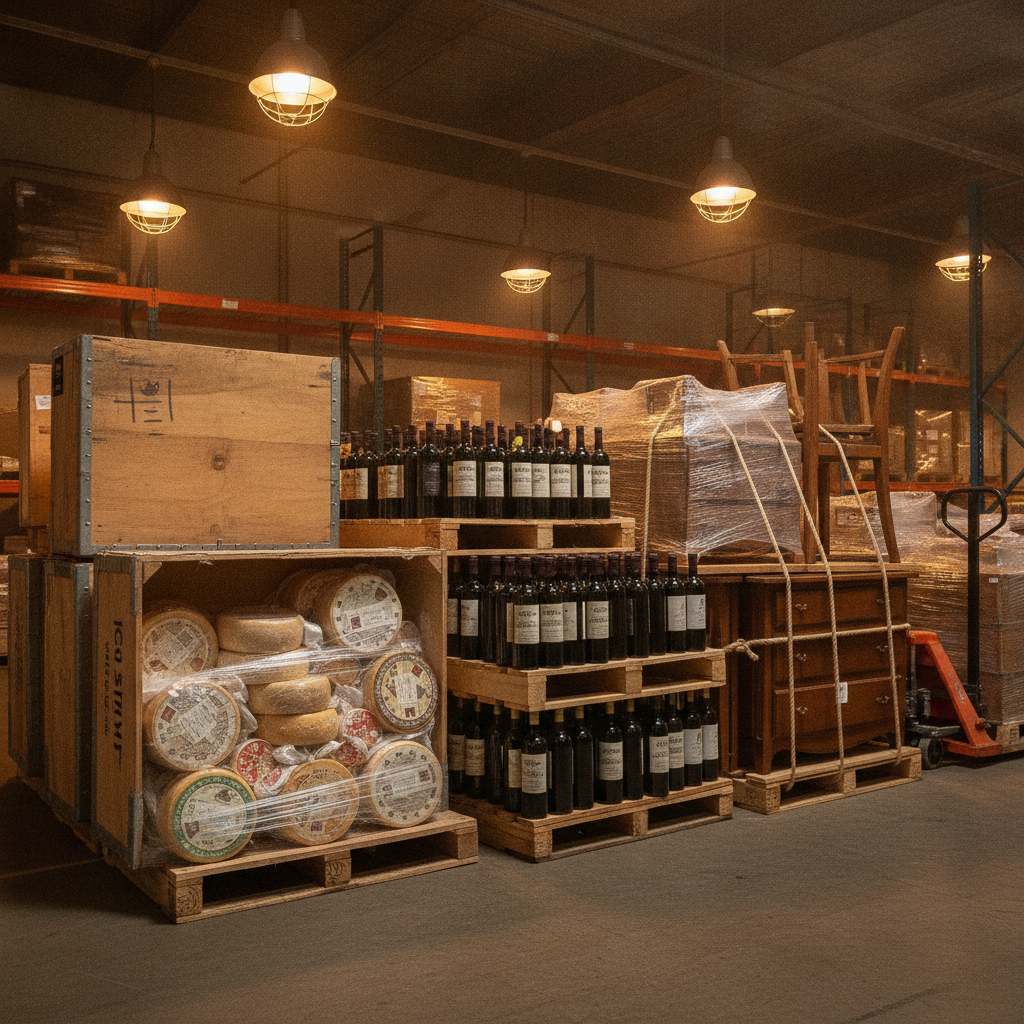
The complaint asks the US Court of International Trade to declare Trump's "Section 338" tariffs unlawful and to order refunds for duties already paid. The company, which imported $71 million worth of Canadian cheeses in 2025 — brie, camembert, mascarpone and other varieties — states that these tariffs are now costing it around $40 million a year.
Gellert Global Group has an annual turnover of more than $1.7 billion and is seeking to represent an entire class of importers affected by these same tariffs.
Why this matters to you: if you import Canadian products — even beyond cheese — these legal proceedings could reshuffle your cost structure in the coming months.
Section 338: the 1930 customs law that Washington revived this summer
To understand what is at stake, one must go back to the origin of these tariffs. On 20 July 2026, the White House issued three proclamations imposing an additional 50% tariff on certain Canadian products under Section 338 of the Tariff Act of 1930, a law that authorises the president to impose "new additional duties" on countries deemed to discriminate against US trade.
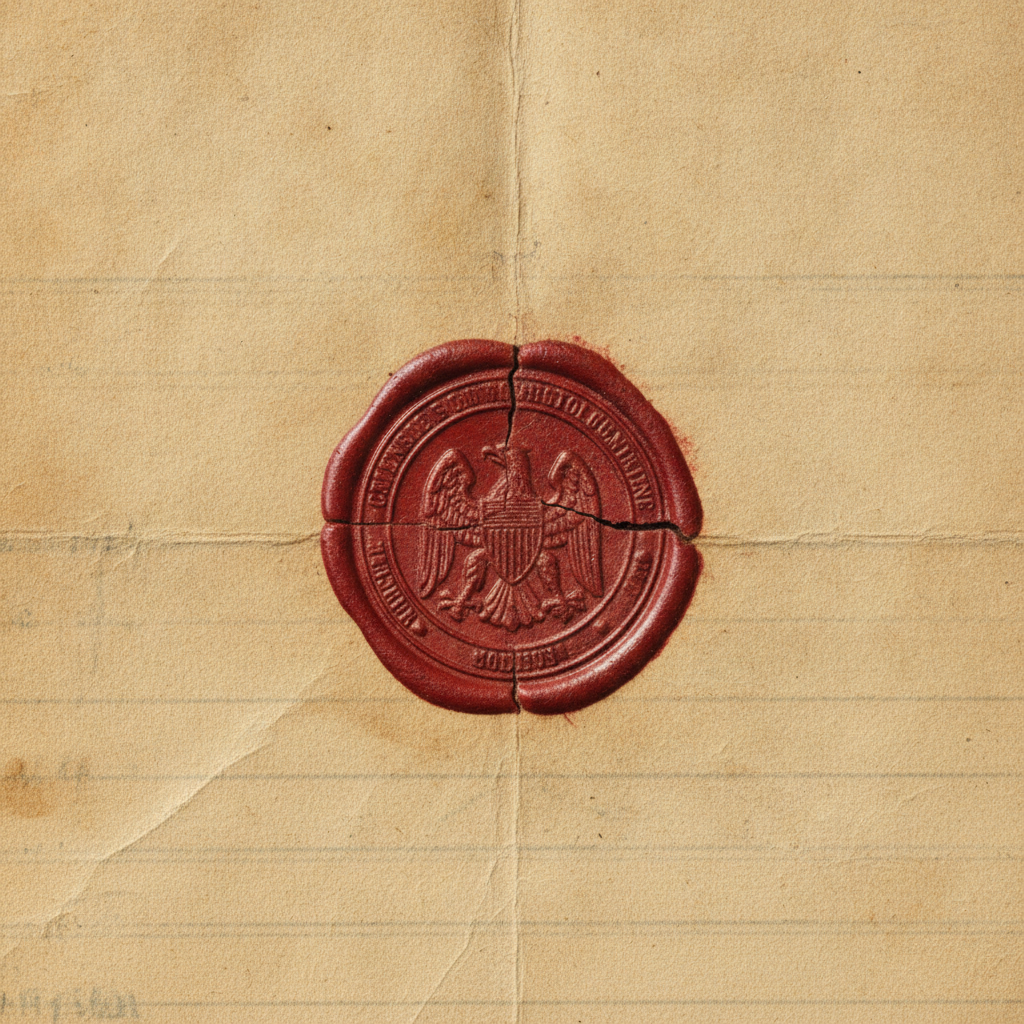
What makes this legal basis so unusual is its age and near-total lack of use. The law had never before been invoked to impose tariffs in almost a century of existence. In other words, the administration dug up a text that had lain dormant since 1930 to justify a major trade measure against a historic partner.
The tariffs took effect on 19 August 2026, with a three-day suspension decided at the last minute to allow room for negotiation, before taking final effect on 22 August 2026. A notable point for compliance professionals: unlike other additional tariffs, this one applies to all covered goods with no exception for products originating under the USMCA free trade agreement, and it is added on top of all other duties already applicable.
Practical advice: never rely on a USMCA preferential certificate of origin to set aside this particular tariff — always check your product's 8-digit classification against the proclamations' annexes.
Far beyond cheese: the hidden list that surprises many importers
While official communications highlighted three flagship categories — automobiles, alcoholic beverages and dairy products — the reality of the text is far broader. Beyond cars, wine and cheese, the annexes cover products such as hockey sticks, cement, plywood, furniture, fishing rods, and many others.
- Wood, plywood, fibreboard, paper, cardboard, packaging
- Textiles, yarns, carpets, fabrics, clothing, coats
- Furniture and consumer goods
- Machinery, electrical and telecommunications equipment, printed circuits
- Sporting goods, including hockey equipment, fishing rods, toys, wigs, swimming pools
The total trade covered by these measures is close to $20 billion, or around 5.2% of the $382 billion worth of goods imported by the United States from Canada in 2025, spread across hundreds of 8-digit tariff lines.
The situation tightened further in September. Import bans took effect on 29 September 2026, and additions or removals of products took effect on 15 September, following five proclamations amending the measures taken under Section 338, in response to Canada's continued "discrimination against US trade" and new Canadian retaliatory duties on around $20 billion of US exports.
For certain flagship products — spirits, dairy products, vehicles — this is therefore no longer merely a surcharge, but an outright ban on entry into the United States.
The precedent that changes the game: the Supreme Court has already struck down part of the Trump tariffs
What lends weight to this new complaint is the identity of those behind it. Gellert Global is represented by the Liberty Justice Center, the same legal group that dealt a major blow to Trump's trade agenda by successfully challenging his "reciprocal" tariffs before the Supreme Court.
As a reminder, that first victory dates back to February 2026: the Supreme Court ruled that the IEEPA law did not authorise the president to impose tariffs, invalidating both the "reciprocal" tariffs applied to the majority of US trading partners and those targeting China, Canada and Mexico linked to immigration and opioid trafficking; the president then revoked the IEEPA tariff orders and ended the collection of these duties.
The new complaint relies on similar reasoning but targets a different law. According to the group's litigation director, Section 301 already gives the executive a tool that requires an investigation and public consultation, and the administration cannot bypass these protections by digging up a 1930 law that no president had ever used to impose a tariff.
The complaint also points to a specific procedural flaw: the administration is alleged to have breached the 30-day waiting period required under Section 338 by adding Gellert's cheeses to the tariff list on 8 September, then beginning to collect duties just seven days later.
This action marks the fourth time that a major tariff policy of the Trump administration has been challenged in the courts since the start of the year.
What exposed importers should do now
For companies purchasing Canadian products covered by these measures — whether cheeses, furniture, textiles or industrial parts — several precautions are advisable ahead of the hearing and any eventual ruling by the Court.
- Document every customs entry: keep precise records of import and consumption entry dates for each shipment, as a favourable ruling could open the way to retroactive refunds, as happened following the February IEEPA ruling.
- Check your 8-digit classification: many companies discover late that their products appear in the expanded annexes, well beyond the three widely publicised categories.
- Prepare for a possible split ruling: even though the Supreme Court has already struck down a different tariff legal basis (IEEPA), there is no guarantee of an identical outcome for Section 338, whose scope is more narrowly defined by statute.
- Watch for settlement arrangements: several companies involved in the IEEPA litigation were able to obtain refunds through a class action procedure; if a class is certified in this new case, joining it could be strategically worthwhile.
Key recommendation: do not suspend ongoing duty payments while no ruling has yet been issued — but systematically file the necessary reservations (customs protests) to preserve your rights to a possible future refund.
Sources and references
- CNBC - Trump sued over 50% tariffs on Canada in latest trade challenge
- The Globe and Mail - U.S. food importer sues to block Trump's new tariffs on Canada
- Supply Chain Dive - Trump's 50% Canada tariffs challenged in court
- Briefs - NJ importer sues to overturn Trump's 50 percent tariffs on Canadian goods under 1930 law
- Liberty Justice Center - LJC Sues Over Trump's Revival of 1930 Tariff Law
- C.H. Robinson - New 50% Section 338 Duties on Select Canadian Products
- Shapiro - Section 338 Tariffs
- Aprio - Section 338 Canada Tariffs: Product Coverage and Key Considerations
- FreightFigures - The Full Section 338 Product List
- KPMG - United States announces import bans and modified tariffs on Canadian products
- WilmerHale - Supreme Court Strikes Down IEEPA Tariffs—What Now?
- https://www.strtrade.com/trade-news-resources/tariff-actions-resources/section-338-tariffs-canada
- https://qz.com/food-importer-lawsuit-trump-canada-tariffs-section-338-102026