EU imposes "melt & pour" traceability on steel from 1 October: mandatory mill certificates and risk of customs refusal for importers without a heat number
Since 1 October 2026, all importers of steel products into the European Union must declare the country where the steel was originally melted and cast, and prove it with a mill certificate (Mill Test Certificate) containing the heat number. This new traceability requirement, imposed by Commission Implementing Regulation (EU) 2026/1963, adds to the country-by-country quotas and the 50% out-of-quota duty already in force since July. Without verifiable documentation, European customs authorities may refuse the import.
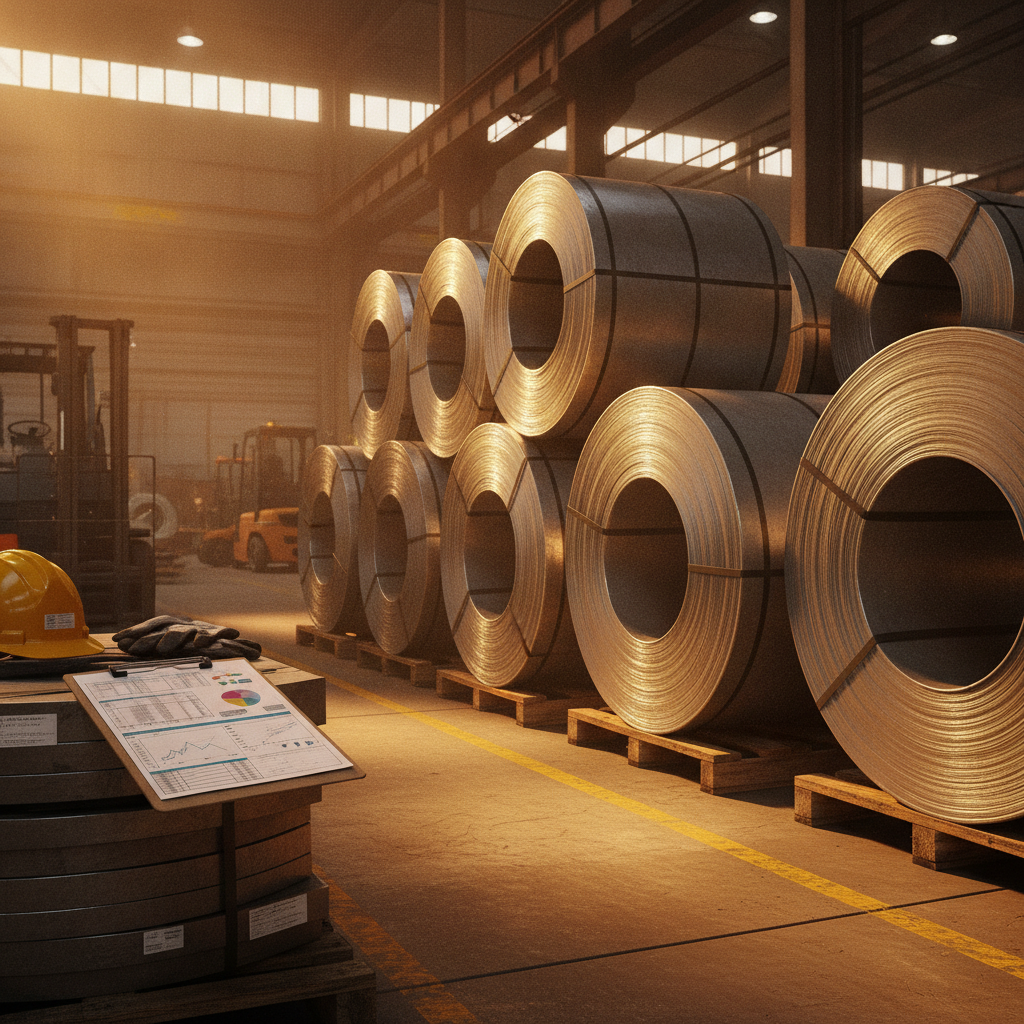
A triple layer of compliance for steel importers: CBAM, quotas and "melt & pour" traceability from 1 October
Since 1 October 2026, importers of steel products into the European Union have faced a third major regulatory requirement in under a year. After the start of the definitive phase of the CBAM (Carbon Border Adjustment Mechanism) on 1 January 2026 and the entry into force of country quotas with a 50% out-of-quota duty on 1 July, they must now declare and prove the country where their steel was originally melted and cast.
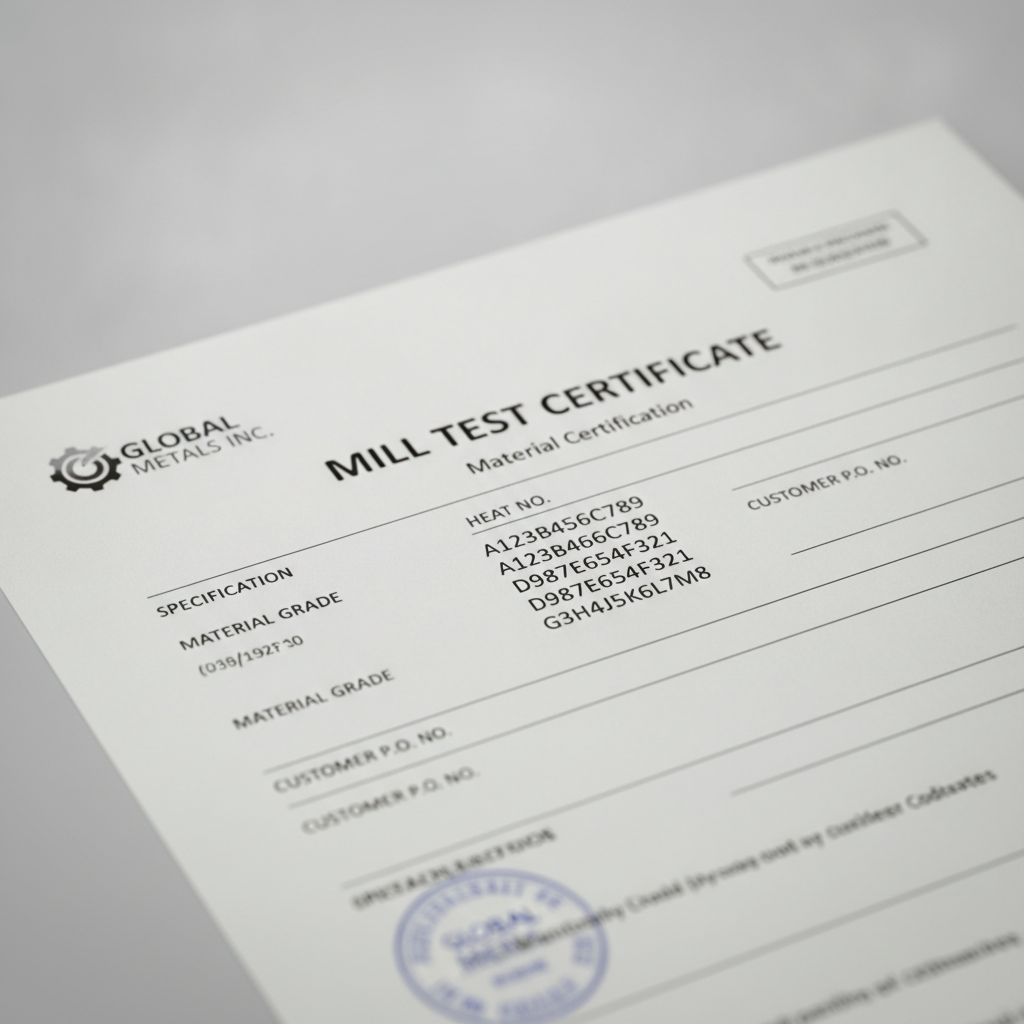
Commission Implementing Regulation (EU) 2026/1963 requires importers of covered steel products to provide evidence of the country of melting and pouring ("melt and pour") when goods enter the European Union, effective from 1 October 2026. Published on 31 August, this binding text sets out the acceptable documents and requires customs authorities to refuse an import where appropriate verifiable evidence does not support the declaration.
Every consignment of steel now goes through three separate compliance regimes with three separate chains of evidence: CBAM, tariff quotas and "melt & pour" traceability.
What "melt & pour" means and why the EU is imposing it now: looking behind classic customs origin
The regulation defines "melt and pour" as the location of origin where raw steel or iron is produced in liquid form and cast into its first solid state, including after remelting scrap. This definition goes well beyond traditional customs origin of goods. A coil rolled in one country from a slab melted in another country must declare the country of melting, not the country of rolling.
The rule implements Regulation (EU) 2026/1384, which introduced quotas for steel, a 50% out-of-quota duty and supply-chain transparency requirements. Since 1 October 2026, the country of melting and pouring must be declared at the time of import via new TARIC codes (Y376-Y387); this requirement improves traceability and gives the Commission a clearer view of the origin of steel entering the EU.
For importers, this means it is no longer sufficient to know the country of shipment or the country of final manufacture: you must trace back to the steel mill that melted the raw metal, even if your direct supplier is merely an intermediate processor.
The mill certificate becomes the pivotal document: heat number and country of melting now mandatory
The primary evidence specified by the European Commission is the Mill Test Certificate (MTC), which must contain two particularly important pieces of information: the country of melting and pouring, and the heat number of the imported steel. This certificate, issued by the producing steel mill, attests to the chemical and mechanical properties of the steel and allows each batch to be traced back to the specific heat.
Since 1 October 2026, if the Mill Test Certificate provided does not contain information on the "melt and pour" country or on the heat number, the following evidence may be considered by customs authorities as supplementary to the Mill Test Certificate, provided it contains the missing information: invoices, delivery notes.
For a limited transitional period, these types of documents may stand alone where no Mill Test Certificate is available, provided they contain both the country and the heat number. This option applies from 1 October 2026 to 30 September 2027. From 1 October 2027, the Mill Test Certificate becomes the required base document that other records may supplement.
Practical advice: If you import steel into the EU, contact your supplier immediately to obtain complete mill certificates. You have until 30 September 2027 to use alternative documents, but after that date, the MTC becomes unavoidable.
Covered products and customs sanctions: 291 nomenclature codes and risk of refusal at the border
The new regime changes both the cost and the documentation of imports of flat steel products, bars, tubes and wire; 30 product categories spread across 291 CN codes and 46 TARIC codes are covered, and the regulation adds stainless steel wire rod and forged bars as product categories.
The steel products concerned include in particular: hot-rolled and cold-rolled coils, coated and clad sheets, steel bars and wire, welded and seamless tubes, and stainless steel products. If you import any of these products, you have been subject to the "melt & pour" declaration requirement since 1 October.
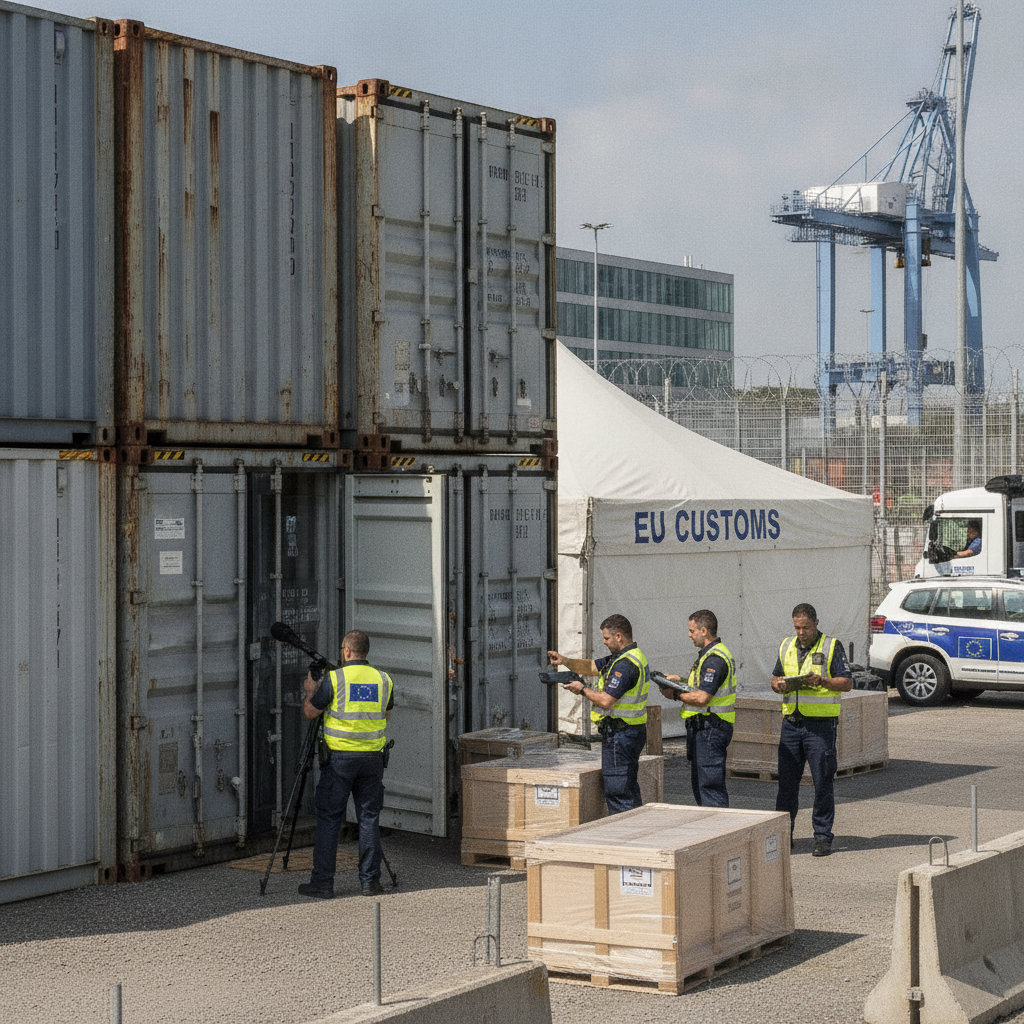
Since 1 October 2026, anyone importing steel products listed in Annex I to Regulation (EU) 2026/1384 must indicate the country of melting and pouring in the customs declaration and substantiate it, primarily with a Mill Test Certificate (MTC) showing the heat number. Without verifiable evidence, Dutch customs may refuse the import. This sanction applies across all EU Member States: a consignment without compliant documentation can be held at the border.
Without a verifiable mill certificate containing the country of melting and the heat number, your goods may be refused by European customs as soon as they arrive.
Operational impact for importers: reviewing the documentary chain before the end of the transition period in September 2027
The new steel safeguard measures combine stricter quotas with a new proof-of-origin requirement. While the duty-free annual volume is around 47% lower than before, the out-of-quota duty has doubled from 25% to 50%. For European, American and global importers selling steel into Europe, this triple constraint radically transforms the economics of imports.
If you import flat steel from Turkey, for example, you must now: check that your country quota is not exhausted (otherwise you pay an additional 50% duty), calculate and declare embedded carbon emissions for CBAM, obtain a mill certificate with the country of melting and the heat number, and declare this information via the new TARIC codes during customs clearance.
Since 1 October 2026, EU importers of steel products covered by the EU steel regulation must declare the country in which the steel was originally melted and cast and support that declaration with verifiable evidence. The new requirement is designed to strengthen transparency and traceability in the EU steel supply chain.
Companies importing affected products should therefore review their supplier documentation, Mill Test Certificates, heat numbers and customs processes before the new rules take full effect.
Recommended immediate actions: Audit your current suppliers to verify that they can provide complete MTCs. Train your procurement and customs teams on the new "melt & pour" TARIC codes. Build in contractual clauses requiring the supply of compliant mill certificates. Use the transition period until September 2027 to secure your documentary chain before the MTC becomes strictly mandatory.
Sources and references
- Commission Implementing Regulation (EU) 2026/1963 (EUR-Lex)
- Regulation (EU) 2026/1384 on steel safeguard measures (EUR-Lex)
- EU Regulation 2026/1963 Sets Melt-And-Pour Evidence Rules For Steel Imports - Foresight
- Melt & Pour Evidence for EU Steel Quotas - CO2-IQ
- Melt and Pour Rules in Force: The Steel Importer Triple Stack - CBAM Guide
- EU Melt & Pour Evidence Requirements for Steel Imports - DHL Customs Regulatory Updates